TEC News

TEC News

NWTEC Success Story: Defining State Health Priorities

Success Stories, TEC News

NWTEC Assists with Involvement of AI/AN People in Defining State Health Priorities

The Northwest Tribal Epidemiology Center (NWTEC) partnered with the Oregon Health Authority (OHA) to gather input on top health issues that are most important to American Indian/Alaska Native residents of Oregon. Feedback from residents helped informed a community-based steering committee at OHA pick the top five priorities in February 2019 for Oregon’s 2020-2024 State Health Improvement Plan (SHIP).


A total of 215 survey responses were collected in a two-month period, which provided an oversampling of AI/AN residents when combined with responses to a similar survey created by OHA.


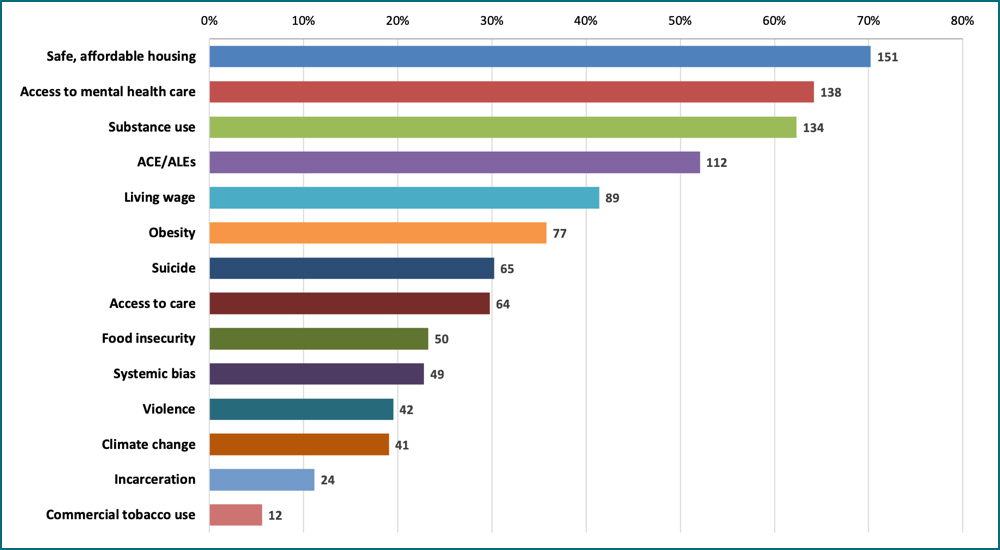
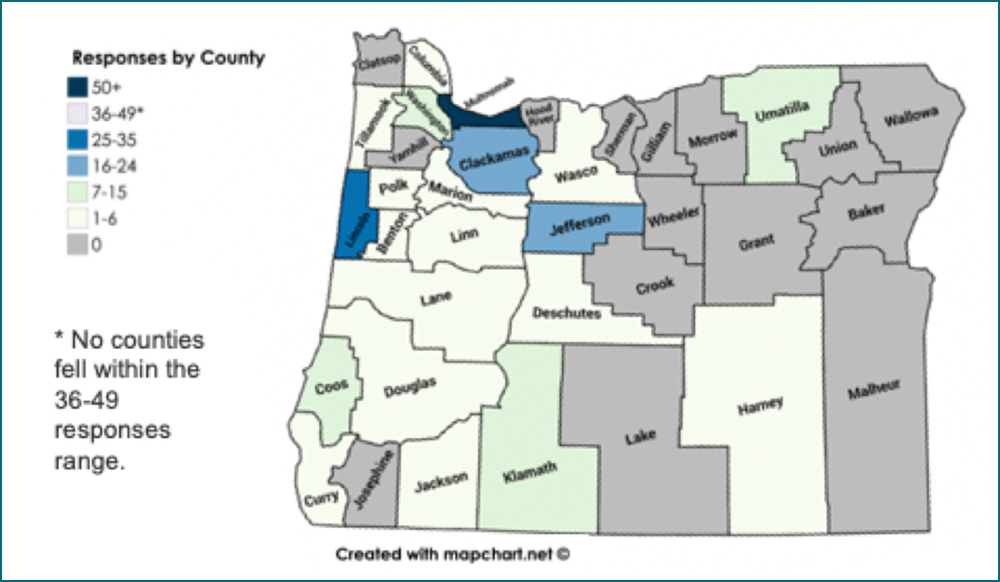
Over 95% of respondents from NWTEC’s survey indicated that they were enrolled members of a federally recognized tribe, with 60% of these respondents being enrolled members of an Oregon tribe. Respondents also represented a degree of geographic variance, as over half of Oregon’s counties were represented. Although health priorities could shift slightly when analyzing results by demographic characteristics, the top priorities remained relatively stable across the board. These top priorities selected were:

  1. Safe, affordable housing
  2. Access to mental health care
  3. Substance use
  4. Adverse childhood/life experiences (ACE/ALEs), trauma, and toxic stress
  5. Living wage
  6. Obesity
  7. Suicide

These priorities of AI/AN residents closely match the five priorities that were selected by OHA’s steering committee, which includes:

  1. Behavioral health (substance use, suicide, and access to mental health care)
  2. Economic drivers of health (food insecurity, housing, transportation, living wage)
  3. Adversity, trauma, and toxic stress (ACE/ALEs)
  4. Equitable access to care
  5. Institutional bias across private and public entities

Since AI/AN people were underrepresented in the community input that OHA used to write the current health plan (2015-2019 SHIP), targeted outreach by NWTEC and community participation helped insure that Native voices were clearly heard during the planning process.

If you have any questions or would like more information about NWTEC or Oregon’s SHIP process, please contact Taylor Ellis at tellis@npaihb.org.
NWTEC Health Priorities graph
NWTEC Health Priorities chart


NWTEC-logo-1000


tec-success-stories-header

48th Annual AAIP Meeting and National Health Conference

Call for Abstracts

The Association of American Indian Physicians (AAIP) Conference Planning Committee invites the submission of abstracts to be presented at the 2019 AAIP Annual Meeting and Health Conference. AAIP encourages innovative educational programming that promotes clinical application of best practices to support and strengthen health outcomes for AI/AN people and communities.

August 8-10, 2019
Chicago, IL

Register Here

Rural Communities Opioid Response Implementation – Coming Soon

Grant Opportunities

The Health Resources and Services Administration (HRSA) announced a future funding opportunity for the Rural Communities Opioid Response Program (RCORP), part of a multi-year initiative supporting treatment for and prevention of opioid use disorder. Grantees of the RCORP-Implementation funding will receive up to $1 million for a three-year period of performance to enhance and expand service delivery in high-risk rural communities.

Read the Press Release

HRSA Small Health Care Provider Quality Improvement Grant Program

Grant Opportunities

The Health Resources and Services Administration (HRSA) recently released a notice of funding opportunity that will support up to 32 public or private nonprofit health care providers located in rural areas to improve patient care in their communities. HRSA expects to invest approximately $6.4 million for this program, which aims to improve the quality of rural health care through an evidence-based approach to primary care that has proven effective in rural areas.

Previously funded organizations under this program designed and carried out projects focused on coordinated care for patients, chronic disease management, integrated care delivery systems, and reduced admissions for emergency rooms and hospitals, among other issues for rural providers. Objectives for this program, which is competitive every three years, include improved health outcomes, better engagement of patients and their caregivers, and continuous improvement to chronic disease management. Grantees also are encouraged to implement quality improvement activities that measure value by outcomes, establish and maintain PCMHs, and integrate behavioral health into the primary care setting.

View the announcement on Grants.gov to learn more.

Applications are due by Monday, April 22