The National Center for Injury Prevention and Control (NCIPC) is providing $13.2 million to 10 Tribal Epidemiology Centers (TECs) and 16 tribes and tribal-serving organizations.
CDC funds the Tribal Epidemiology Center Public Health Infrastructure (TECPHI) overdose supplement and the Tribal Overdose Prevention Program (TOPP).
The Association of Schools and Programs of Public Health (ASPPH) is now accepting applications for Tribal Health Departments interested in serving as a host site for the ASPPH/CDC Tribal Health Department Fellowship Program. This program places Master of Public Health–level graduates in Tribal Health Departments for an 11-month, full-time applied learning and training program focused on projects identified by the host site. Fellows will serve at host sites from September 1, 2026 – July 31, 2027.
CTEC recently concluded the HIV/STI/HCV Capacity Building Project with seven Indian Health Programs. The project combined assessments of clinical and prevention practices with strategic planning and training to support Tribal public health staff.
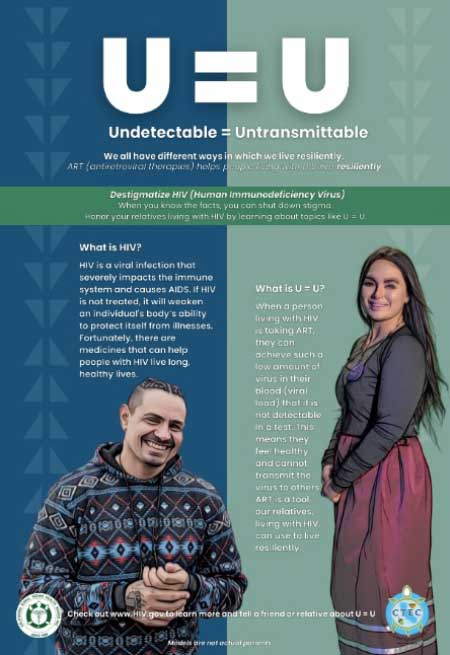
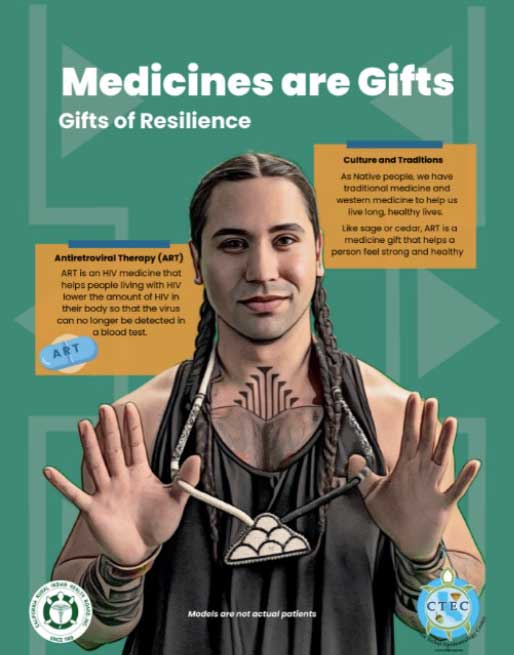
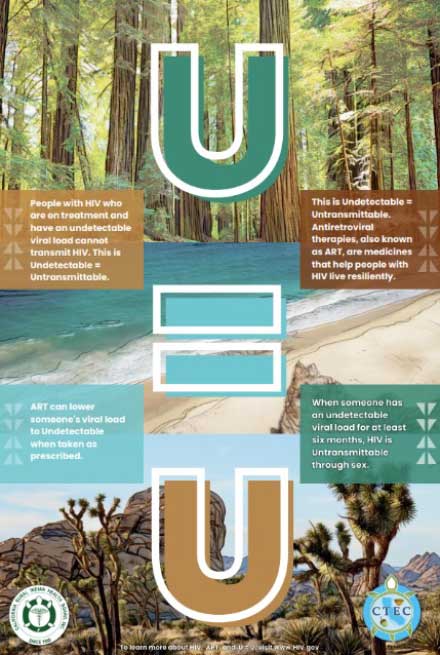
Through these efforts, more than 700 STI testing kits and “Undetectable = Untransmittable” educational materials were distributed to providers, people living with HIV, and community members.
These educational materials are intended to reduce stigma related to HIV, STIs, and HCV while encouraging testing and awareness.
In addition to the educational campaign and workforce development activities, CTEC developed a Health Equity Dashboard that highlights trends in STI prevalence across California and serves as a data resource for Tribal communities.
Together, these initiatives strengthen Tribal capacity to turn data into action and support long-term wellness in American Indian and Alaska Native communities across California.
To learn more about CTEC’s ongoing work to advance health equity and improve the AI/AN health across California, visit CTEC’s website.
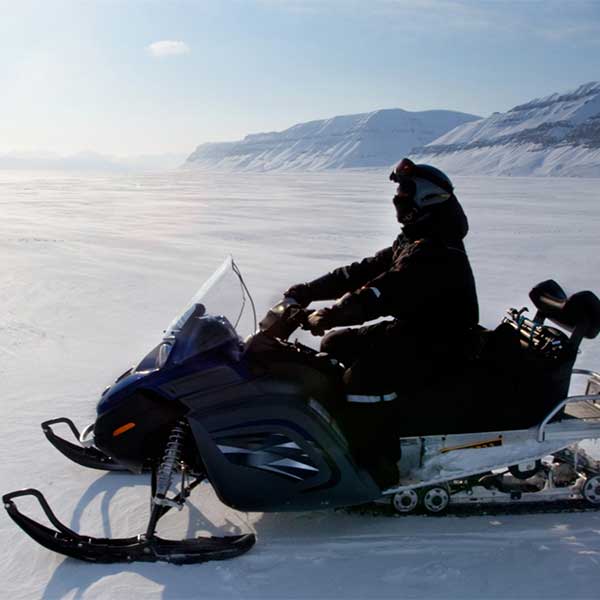
Nearly 20% of Alaska residents are Alaska Native or American Indian. Many live in rural areas that are accessible only by boat, plane, snow machine, or off-road vehicles. Often the only local health care options are Tribal hospitals or community health clinics, which treat all residents, regardless of race.
On this podcast, you’ll hear from a variety of employees across each of the TECs, as they share their career journeys and their roles within the organization, as well as the programs that are offered through their specific TEC. They also share about the tribal communities that are supported by their TEC as well.
The content they share provides timeless value and insight into each of the organizations, their missions, and the great positive impact they are having in the tribal communities they serve.
In this episode, we’ll explore the interconnectedness of traditional cultural roots, innovation, and modern solutions. You’ll hear how rest, resilience, and unity are the real medicines for tribal communities.
We’re diving into the power of culturally adapted health tools and real-time dashboards improving lives in Indigenous communities. You’ll hear how tribal communities are leading their own health solutions with data, compassion, and resilience.
Discover how data and technology are transforming public health in tribes across the Great Plains. Our guest shares how secure, user-friendly dashboards empower tribal leaders to fight outbreaks like measles and syphilis. He also shares how collaboration and community-driven data are making a real difference in Indigenous health outcomes.