
Staff at the NEC worked with the museum curator over the past 1.5 years to ensure the accuracy and appropriateness of the images/information depicting the contributions of American Indians and Alaska Natives to public health.
Per Del Yazzie, an epidemiologist at NEC, “Navajo Nation is one of the tribes featured in the exhibits, specifically about the evolution and encapsulation of our Hantavirus work from the 1993 outbreak to currently. To my knowledge, it is the first exhibit of its kind to do so. More than anything else, we believe that the exhibit shows visitors an often-overlooked aspect of public health in the U.S., and of the many tribes and tribal members who have made long-lasting contributions to keeping us healthy.”
Check out this LINK to see more photos from the exhibit.
Contributed by Delores Becenti, Navajo Department of Health with photos courtesy of CDC.
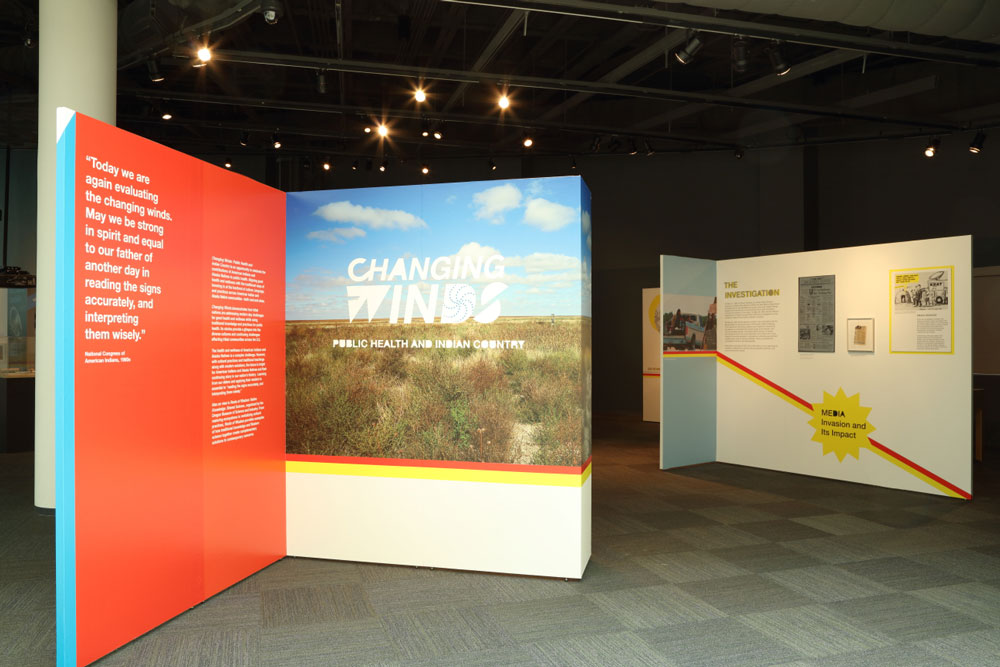
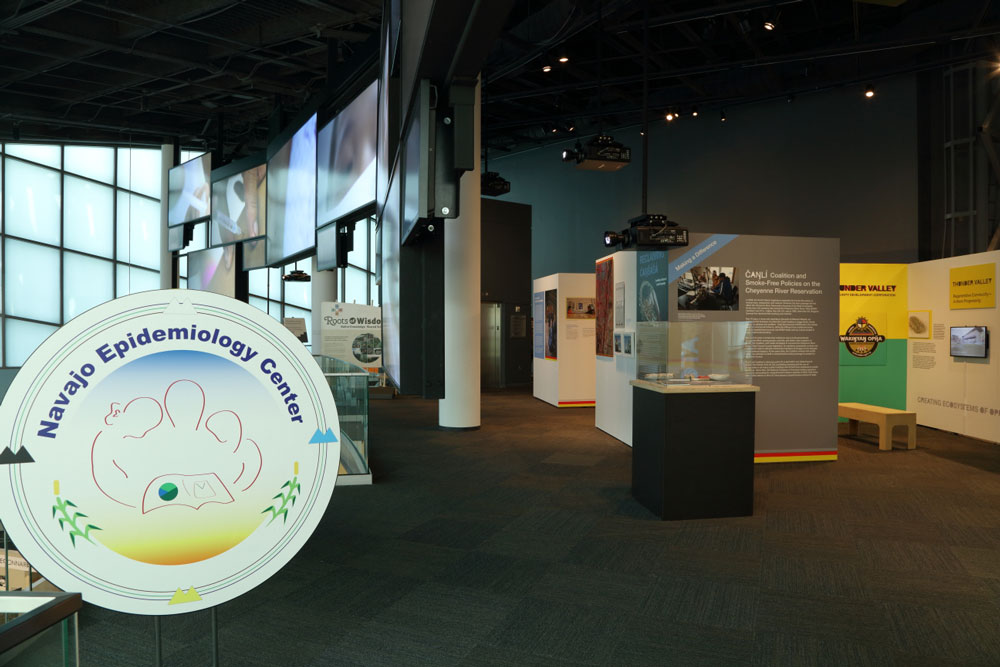

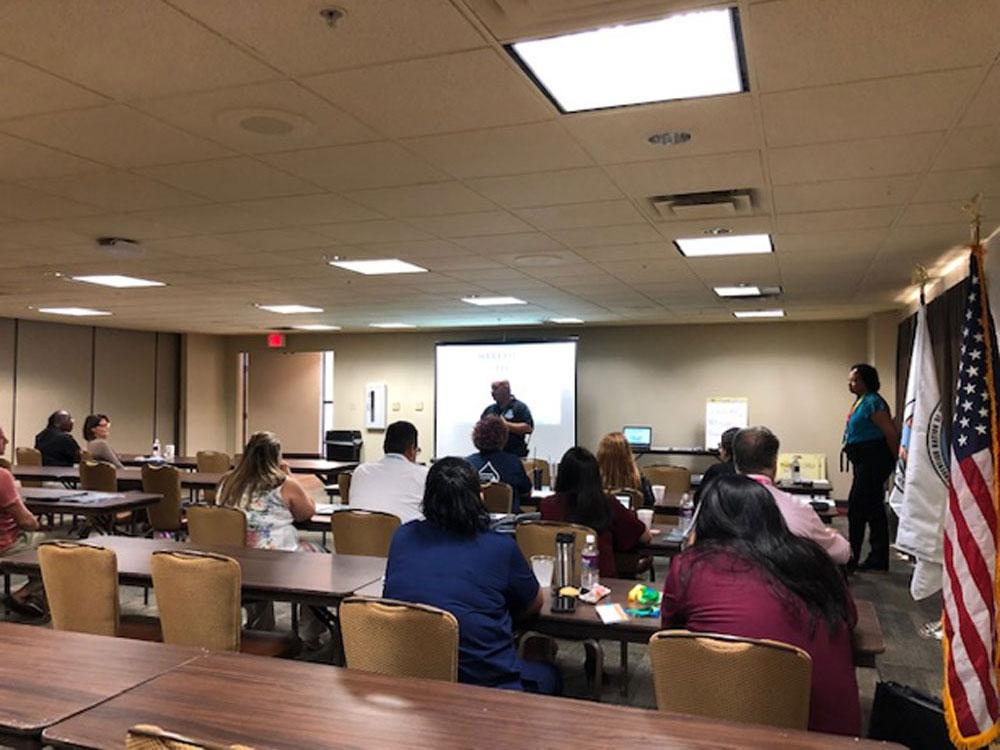 Figure 1. Cocopah Indian Tribe Office of Emergency Management Manager welcoming the workshop participants.
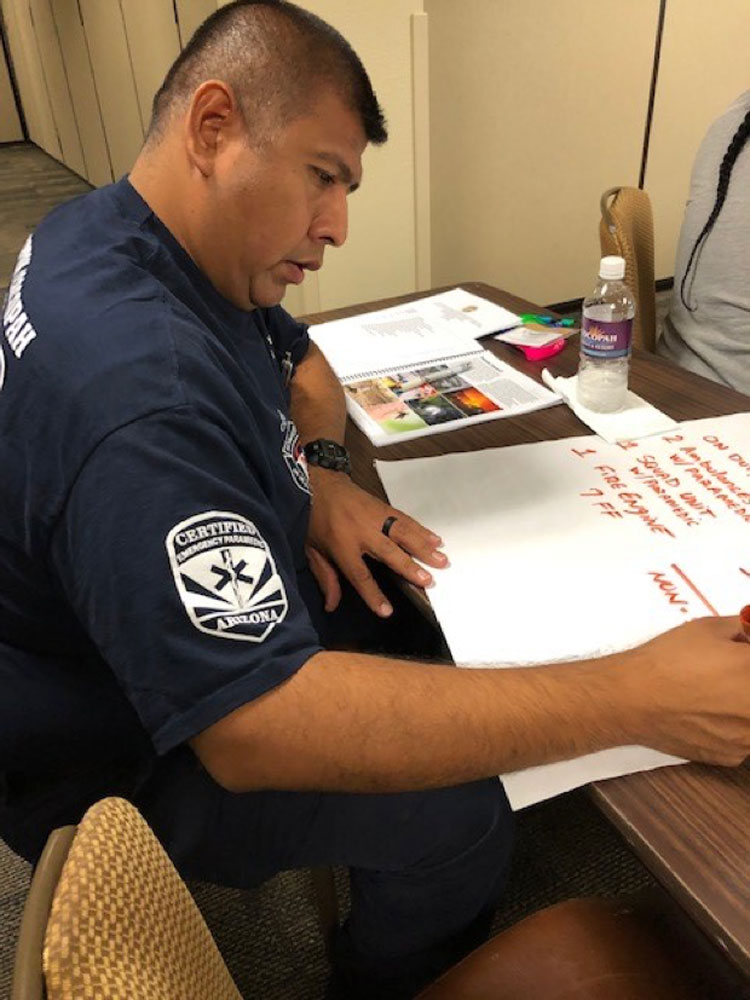 Figure 2. An example of inventorying available resources and descriptions from emergency response partners related to a public health emergency in Yuma County.
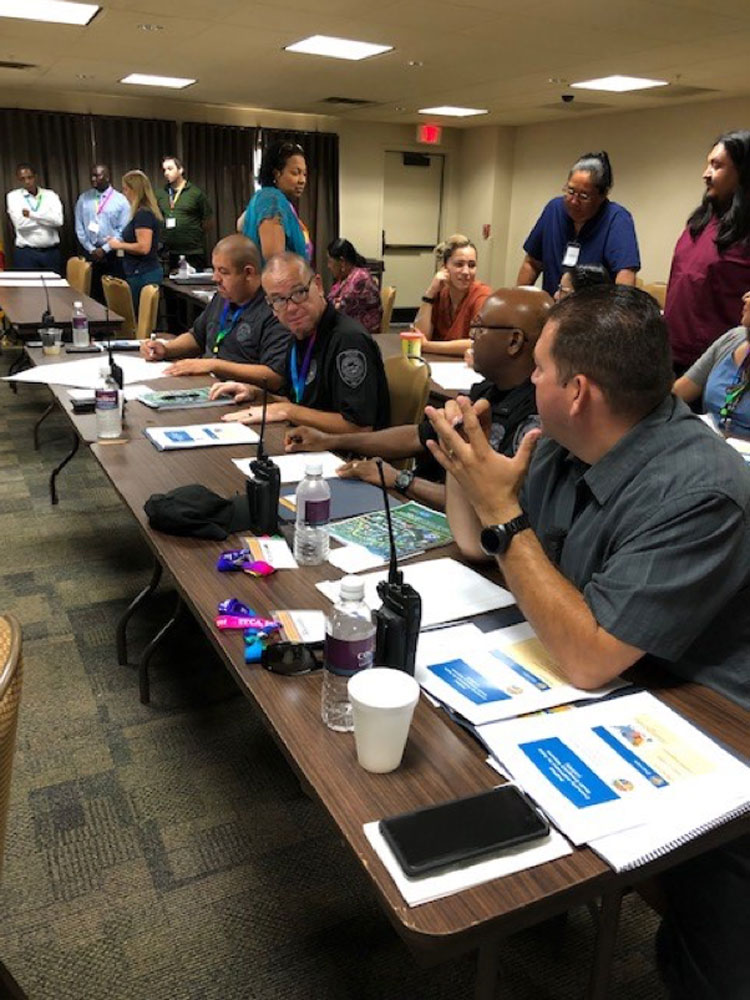 Figure 3. Workshop participants discussing necessary data collection and interviewing techniques and sensitivity within a public health emergency response setting.
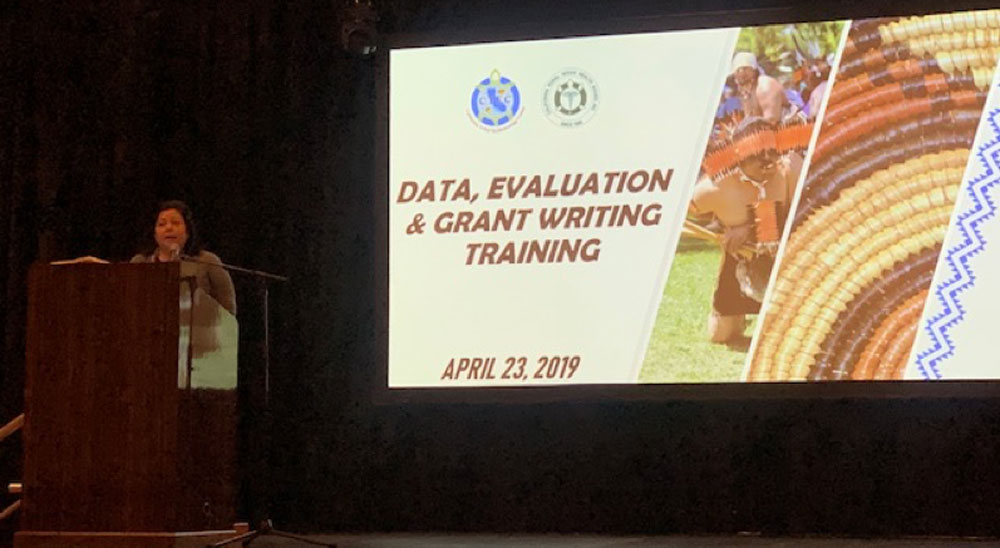
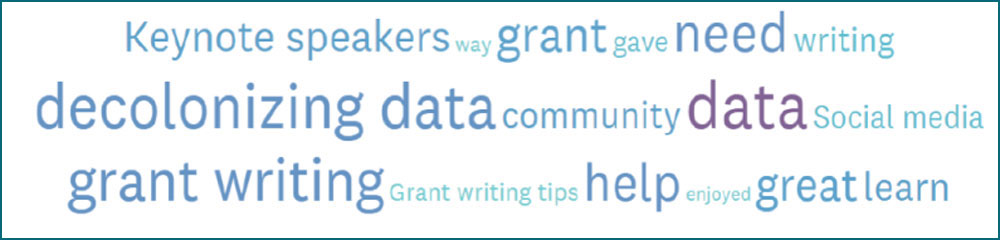 Attendee responses from post event evaluation question: “What was your greatest takeaway from this training event?”
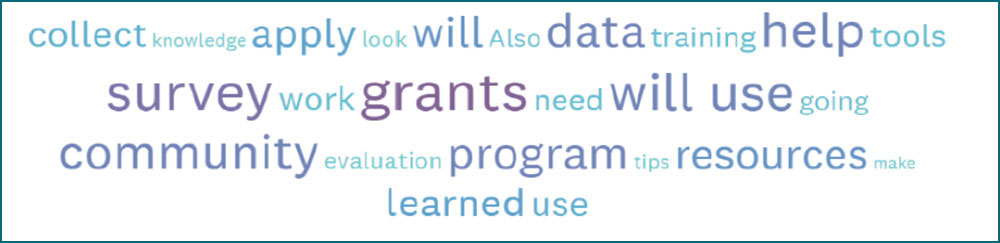 Attendee responses from post event evaluation question: “How will you apply this training experience to your own program practices, evaluation, and/or sustainability?”