TEC News

TEC News

ANEC Success Story: October 2017

Success Stories, TEC News
Improving Patient-Provider Communication

Clear and effective communication is important in the health care setting. The “Teach-back” method is an evidence-based strategy health care providers can use to ensure information is explained clearly and to gauge patient understanding. Through the Good Health and Wellness in Indian Country (GHWIC) grant the Alaska Native Epidemiology Center (ANEC) is promoting use of the “Always Use Teach-back” online training module.


The module is part of the “Always Use Teach-back” toolkit, a free, interactive, web-based training resource for health care providers.


In October, 2016, ANEC staff received permission from the creators of “Teach-back” and the Alaska Native Tribal Health Consortium (ANTHC) leadership to add the training to HealthStream, ANTHC’s employee training system. Four organizations in addition to ANTHC use HealthStream as their employee training platform, and can now offer or assign the “Teach-back” training to staff.

One of the ANEC GHWIC Tribal Health Organization (THO) subawardees is using the HealthStream training as part of a larger organizational effort to incorporate the “Teach Back” method into clinical practice. The THO added the training module to their new hire orientation and also required all clinical staff to complete it during the annual staff training period.
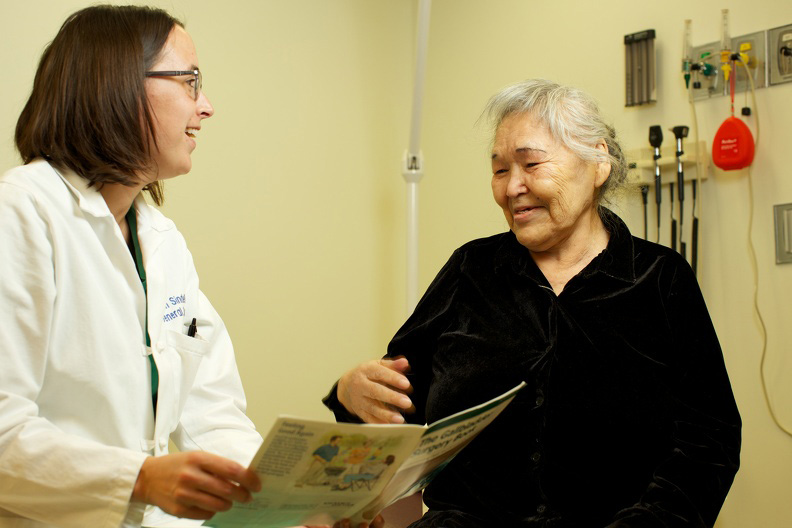
ANEC Teach Back

More information on the “Always Use Teach-back” training toolkit is available here: http://www.teachbacktraining.org/

10 Elements of Competence for Using Teach-back Effectively (PDF)


ANEC-logo


Building Public Health Infrastructure in Tribal Communities to Accelerate Disease Prevention and Health Promotion in Indian Country (RFA-DP17-1704)

TEC News

The National Center for Chronic Disease Prevention and Health Promotion has awarded a new five-year cooperative agreement to increase the capacity of Tribal Epidemiology Centers to deliver public health functions to and with the tribes/villages in their Indian Health Service (IHS) Area (including the urban tribal community). The awards will contribute to reductions in chronic diseases and risk factors, reductions in disparities in health outcomes, and improvements in overall health by building public health capacity and infrastructure in Indian Country for disease surveillance, epidemiology, prevention and control of disease, injury, or disability, and program monitoring and evaluation.

A total of approximately $8.5 million was awarded in FY18 to the twelve Tribal Epidemiology Centers and one Network Coordinating Center, the Alaska Native Epidemiology Center, which is part of the Alaska Native Tribal Health Consortium. The Network Coordinating Center will provide project organization, support for collaboration and communication, and performance evaluation support for the funded Tribal Epidemiology Centers.


Tribal Epidemiology Centers logo

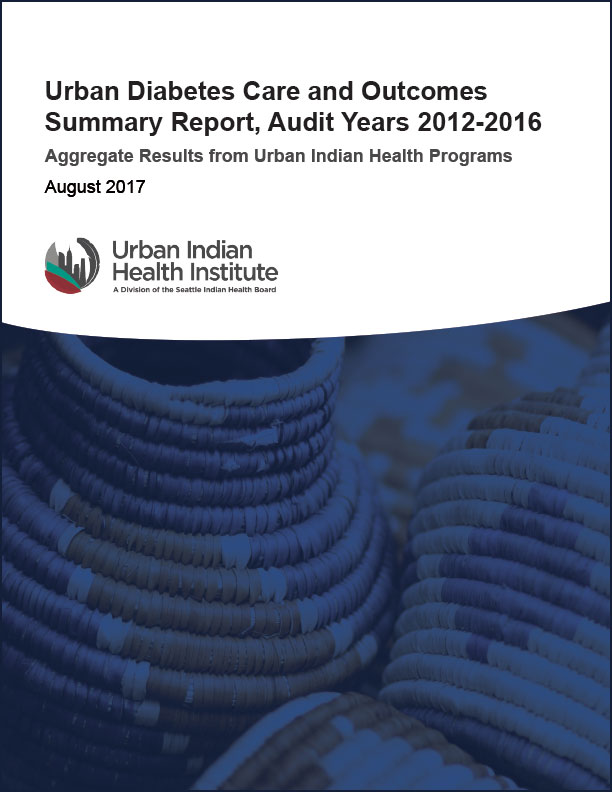
Urban Indian Health Institute Releases New Aggregate Diabetes Report

TEC News
The Urban Indian Health Institute (UIHI) is pleased to announce the release of the Diabetes Care and Outcomes Audit 2012-2016. This report summarizes trends in diabetes services and clinical outcomes among AI/AN patients at the 33 Urban Indian Health Programs (UIHPs) participating in the Diabetes Audit. These findings do not reflect changes experienced by individual patients, but rather they reflect current health status over all UIHPs.


This report highlights the challenges and opportunities of urban Indians who currently live with, manage, treat, prevent and overcome diabetes.


We at UIHI hope that this report will help highlight the great progress made to combat diabetes in Indian Country over the last 20 years, through the Special Diabetes Programs for Indians (SDPI). SDPI started in 1997, when Congress responded to the growing burden of type 2 diabetes in the American Indian and Alaska Native (AI/AN) population by funding inexpensive yet highly cost-saving measures for diabetes care and prevention. The SDPI has not only saved lives, but has also saved millions of Medicaid dollars, through prevention and management of diabetes and associated health problems such as hypertension, cardiovascular disease, retinopathy (vision loss,) neuropathy (nerve damage,) and end stage renal disease (kidney failure).

EpiCenter Job Openings

TEC News
The Alaska Native Epidemiology Center is looking for qualified candidates for several positions based in Anchorage. Join our dynamic team and make a difference in the health of Alaska Native people!

Current openings include (job #):

  • Program Evaluator (20170058)
  • Senior Office Specialist (20170034)
  • Technical Writer II (20170035)
  • Biostatistician (20170037)
  • Epidemiologist (20170051)
  • Senior Epidemiologist (20170050)

Applications are currently being accepted online.


If you have questions regarding the open positions or how to submit an application, please contact ANTHC Human Resources at (907) 729-1301 or careers@anthc.org.

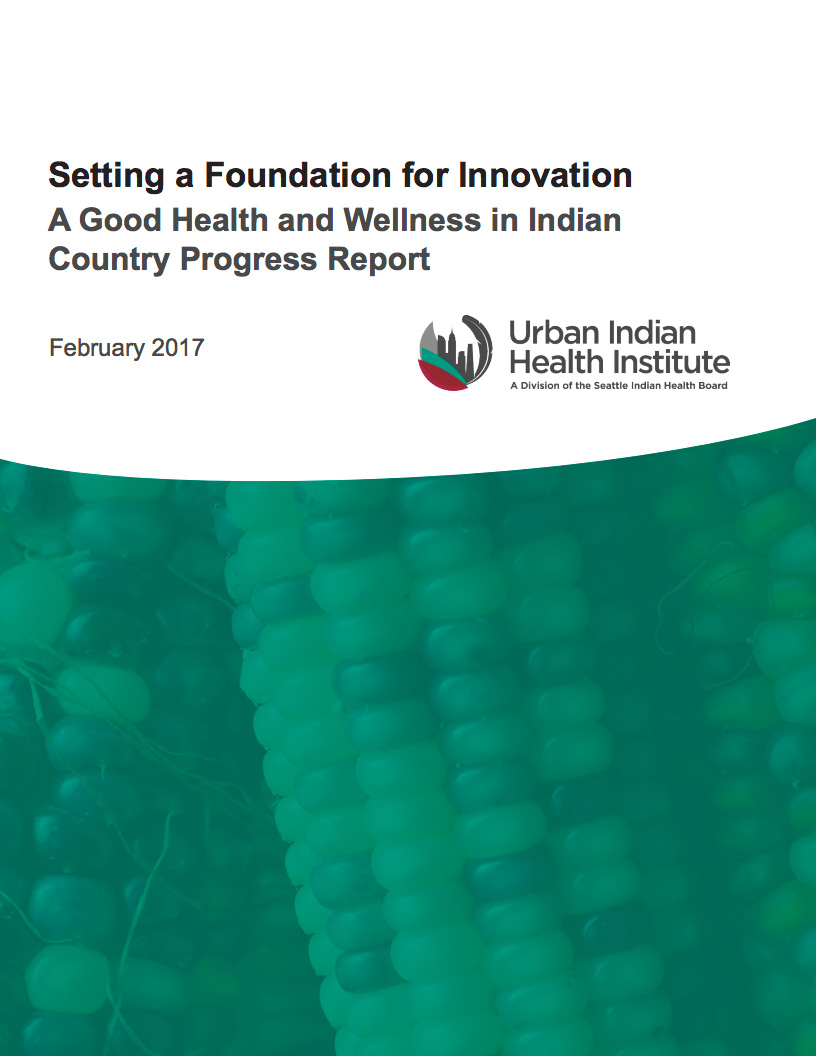
New Good Health and Wellness in Indian Country Progress Report and Project Snapshot

Progress Report, TEC News
The Urban Indian Health Institute (UIHI) is excited to release “Setting a Foundation for Innovation: A Good Health and Wellness in Indian Country Progress Report.” This in-depth report summarizes the first two years (2014-2016) of GHWIC grantee community health assessments, highlights of grantee activities and successes, and early efforts with cross-sector workgroups under the Good Health and Wellness in Indian Country (GHWIC) program.

The UIHI is also pleased to release “Snapshot: Setting a Foundation for Innovation,” a community-oriented brief designed for potential partners and local collaborators interested in the GHWIC project. The snapshot highlights the values, strategies, and scope of the GHWIC program to give potential partners a better understanding of the initiative’s goals and strategies.

In 2014, the Centers for Disease Control and Prevention launched the Good Health and Wellness in Indian Country (GHWIC) program, a five-year project that funds tribes, tribal-serving health organizations, and Tribal Epidemiology Centers (TECs) to promote chronic disease prevention amongst American Indian and Alaska Native (AI/AN) people. Across Indian County, 23 GHWIC grantees are revitalizing indigenous values to achieve health equity and improve chronic disease prevention through sustainable, culturally-driven interventions rooted in community voice and participation. The activities described in the progress report highlight the importance of allowing a flexible, locally-driven assessment and planning period. By creating collaborative workgroups and allowing the adaptation of health promotion programs to meet local community needs and priorities, GHWIC created a solid foundation for innovative interventions in the years to come to combat health disparities in Indian Country.

Good Health and Wellness in Indian Country Progress Report


For more information about the GHWIC project, please contact Colin Gerber by email or phone at (206) 812-3039.


UIHI Logo