
TEC News

TEC News

Making sure American Indian COVID-19 cases are counted, and feeding a hungry heart

TEC News, TECs in the Media
featured image

Science – Podcast

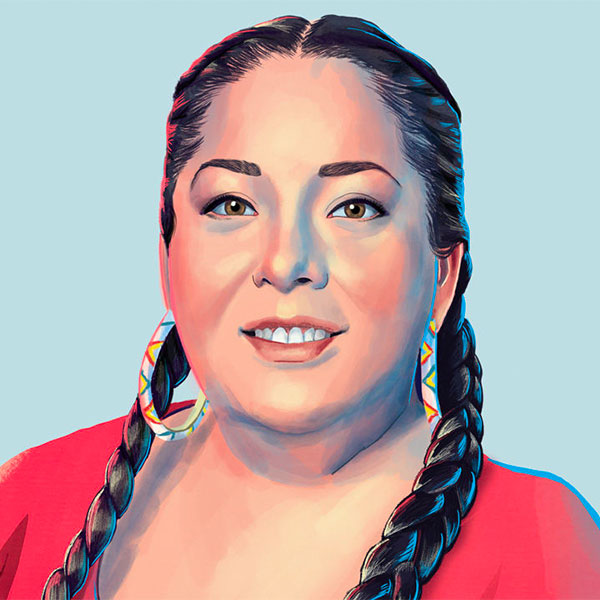
First up, host Meagan Cantwell speaks with Abigail Echo-Hawk, director of the Urban Indian Health Institute and chief research officer for the Seattle Indian Health Board. Echo-Hawk shares what inspired her journey in public health and explains the repercussions of excluding native people from health data. This story was originally reported by Lizzie Wade, who profiled Echo-Hawk as part of Science’s “voices of the pandemic” series.

By Sarah Crespi, Meagan Cantwell, Lizzie Wade
October 15, 2020

Read Article

Making sure American Indian COVID-19 cases are counted, and feeding a hungry heart

Credit: Openstax Anatomy and Physiology

Bill pressures CDC to give Native Americans better access to federal health data

TEC News, TECs in the Media
featured image

Pinal Central – Politics

A measure passed by the U.S. House aims to remove barriers that Native Americans face in accessing public health data – something advocates say is key to providing a clearer picture of how COVID-19 and other diseases are disproportionately affecting tribes.

Experts said Native Americans have been denied access to some state and federal health data for years, and the pandemic has further exposed this long-standing issue.

By Frank LaTona
October 7, 2020

Read Article

Bill pressures CDC to give Native Americans better access to federal health data

Photo: Legislation making its way through Congress aims to reaffirm that tribal epidemiology centers should have access to state and federal health data. Tribal leaders have had trouble accessing information to help fight COVID-19 and other diseases in places like the Navajo Nation, where this sign stands. Credit: Daja E. Henry/Cronkite News

Community Solutions for Health Equity

Grant Opportunities

2020 Call for Proposals

The COVID-19 pandemic has highlighted that communities of color are disproportionately burdened by racist and oppressive systems—from health care to education to housing—with significant consequences to physical and mental health. The impacts of the COVID-19 pandemic on communities of color are evident in the health care system, and are compounded by inequitable community systems.

Applications Due: October 7, 2020

View Grant Opportunity

COVID-19 data on Native Americans is ‘a national disgrace.’ This scientist is fighting to be counted

TEC News, TECs in the Media
featured image

Science – News

Abigail Echo-Hawk can’t even count how many times she’s been called a troublemaker. It’s happened at conferences, workshops, and even after she testified before Congress—all places where she has advocated for the full and ethical inclusion of American Indians and Alaska Natives in public health data. “I didn’t used to know what to say,” she says. “Now, my answer is, ‘Is calling for justice making trouble?’”

By Lizzie Wade
September 24, 2020

Read Article

COVID-19 data on Native Americans is ‘a national disgrace.’ This scientist is fighting to be counted

Photo:“If you eliminate us in the data, we no longer exist,” says Abigail Echo-Hawk, a citizen of the Pawnee Nation of Oklahoma and director of the Urban Indian Health Institute. Credit: Katty Huertas

Robert Wood Johnson Foundation 2021 Culture of Health Prize

Grant Opportunities

The Robert Wood Johnson Foundation (RWJF) Culture of Health Prize (the Prize) elevates the compelling stories of places where residents are working together to transform education, jobs, transportation, housing, and more so better health flourishes for all. A Culture of Health recognizes that where we live—such as our access to affordable homes, quality schools, good jobs, and reliable transportation—affects how long and how well we live.

Applications Due: October 15, 2020

View Grant Opportunity